 The Peruvian government showed the same meticulous attention to detail in choosing and furnishing the residence of its ambassadors in Washington as Charles H. Tompkins and his wife Lida did when they selected the site for their new mansion on a wooded hill in the Rock Creek Park area.
Tompkins was one of the leaders of the development of the capital- among the projects that his company built were the East and West Executive Offices of the White House and the Reflecting Pool in the Lincoln Memorial- and he knew like no one else the historical value of the land he chose to build his home on in 1928. Apart from its obvious beauty and exclusive location, it had been the site, one hundred and forty years ago, of Battery Terrill, an unarmed auxiliary fort used to defend Washington during the Civil War.
But this wasn’t the only concern of the new owners. They chose as its architect the prestigious Horace Peaslee, who had designed many federal and municipal buildings and private houses. He had also designed Meridian Hill Park and restored such houses as Dumbarton Oaks and the Bowie Sevier in Georgetown. After spending three years studying residences in Delaware and Virginia, the owners decided upon late-Georgian architecture for the style of their own house. The Garrison Street mansion is a good example of the renaissance of American colonial architecture. The polished and burnt stone from the historic Peirce Mill of Rock Creek -which dates back to 1820- inspired Tompkins’ design of the facade. What no one ever imagined was that this mansion would become a privileged showcase for the ancient culture of Peru, starting in 1944, when the Peruvian government bought the house.
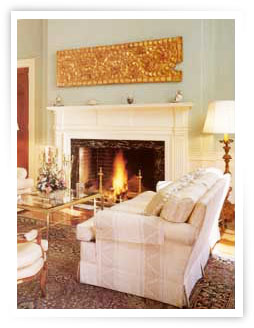
These days, diplomats come and go. Some contribute personal belongings that have been famous in the Washington of their time -like the collection of Taurine art belonging to Ambassador Fernando Berckemeyer or the fabulous collection of colonial art of Ambassador Celso Pastor- but the house’s three floors and sixteen rooms are never left empty. The mansion’s pre-Columbian ceramics from the Moche, Chimu, Nazca cultures; the colonial paintings from the Cuzco and Lima schools; the objects in hammered silver; the costumbrista watercolors, which describe the customs of the country in the style of Pancho Fierro; and the Pucará bulls -all remain, always waiting for new inhabitants. These pieces are the property of the government.

The dining room table has been the best witness of Peru’s unmatchable cuisine, from classic cebiches to tiraditos. More recent has been the appearance of the fragile and indescribable alfajores… assembled at dawn. And what to say of the pisco sours enjoyed in the garden, near the statue of the Huitoto child by Felipe Lettersten? Or of the image of the Virgin that Is neither image nor Virgin, but was carved by the will of water in a niche beyond the pool? Or about the “open forest” path that goes all the way from the imposing iron gate to the entrance of the house? What we didn’t see, although they are surely there, were the deer, those persona non grata which abound in Washington’s gardens.