|
Friday, September 21, 2017 No Images? Click here  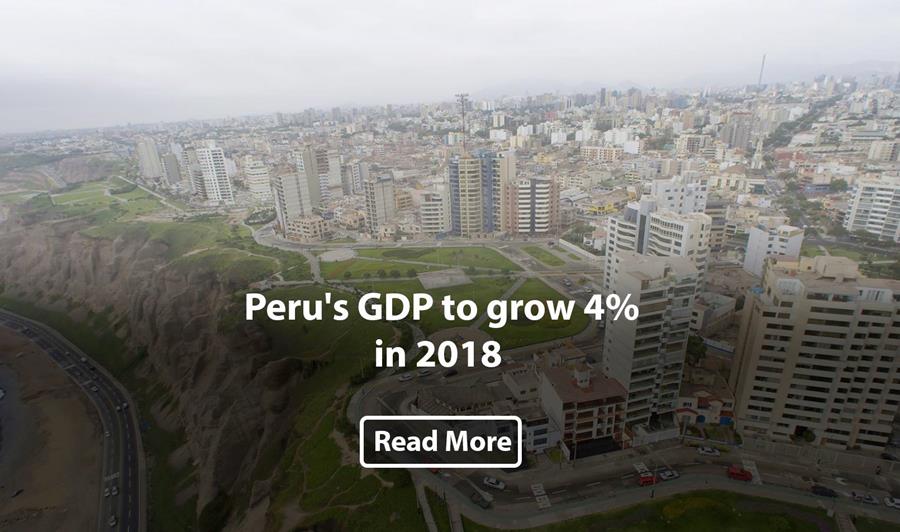
Peru's Gross Domestic Product will expand 4% in 2018 supported by greater infrastructure works, Economy and Finance Minister Claudia Cooper forecast Wednesday. Economy & Trade
Peru can secure competitive financing thanks to sound fiscal position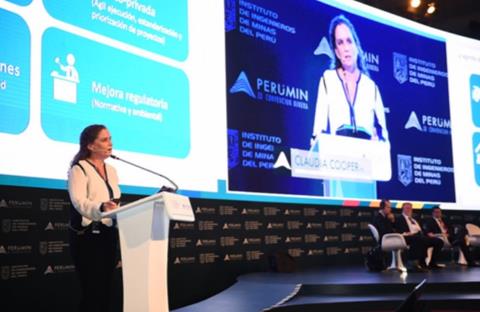
Peru finance minister says plans to make $9 bln in projects viableMining & Energy
Canadian firms together invested US$9.3 billion in exploitation and exploration across large and medium-sized mining operations in Peru, Canadian Ambassador to Lima Gwyneth Kutz said. 
Fin Min: 'Peru is surfing the mining wave'
Peruvian Villagers Shut Down 50 Oil Wells In ProtestDisaster Prevention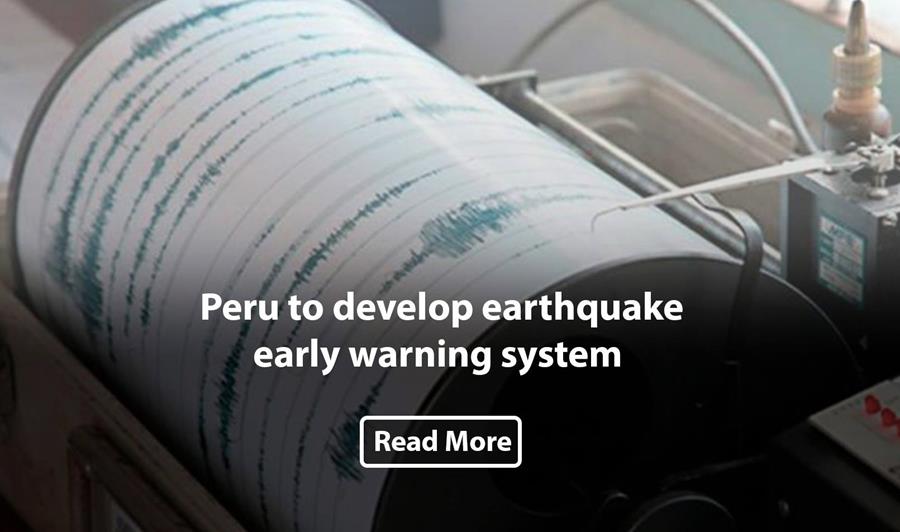
Defense Minister Jorge Nieto said his sector is targeting efforts towards implementing an earthquake early warning system in Peru as soon as possible. 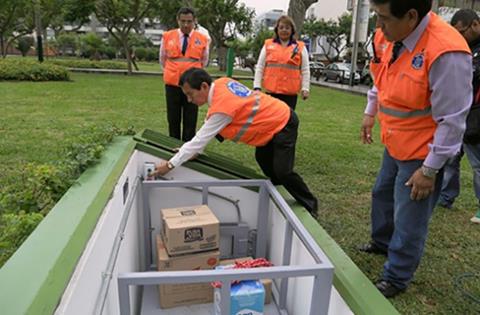
Miraflores Equipped With 14 Underground Storage Facilities in case of Earthquake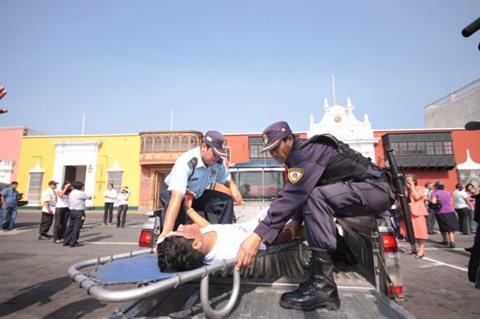
How Prepared Are You for A Natural Disaster If It Hit Peru?Politics
[Op-Ed] Constitutional Question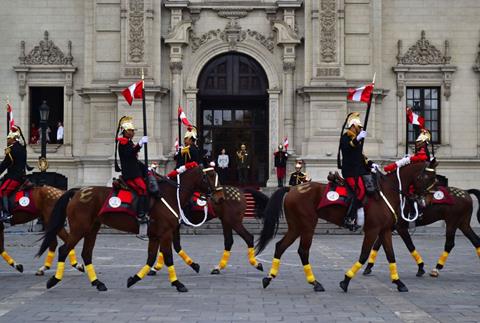
[Analysis] Peru loses its prime minister. What next?Diplomacy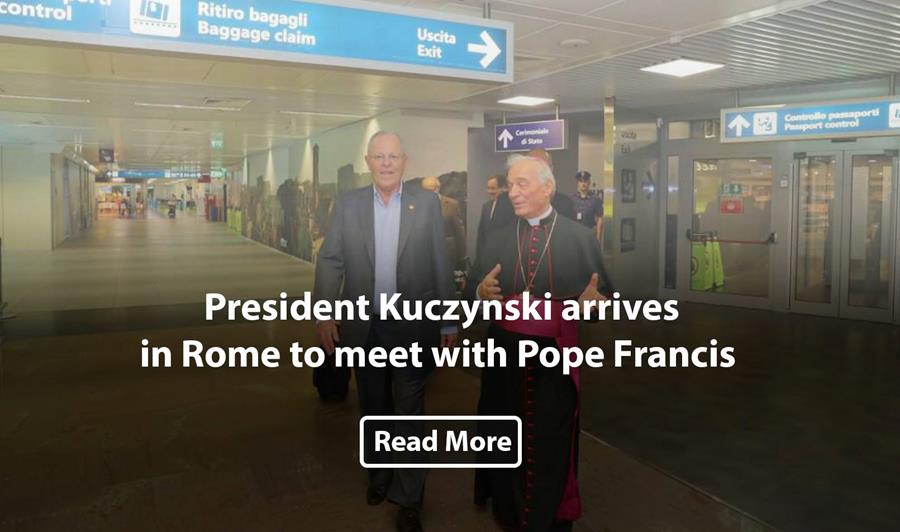
Peruvian President Pedro Pablo Kuczynski arrived in Rome on Wednesday ahead of his Friday meeting with Pope Francis at the Holy See. 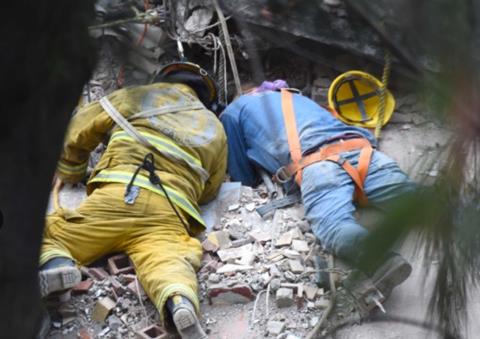
Mexico Ambassador thanks Peru's solidarity after earthquake
Archaeology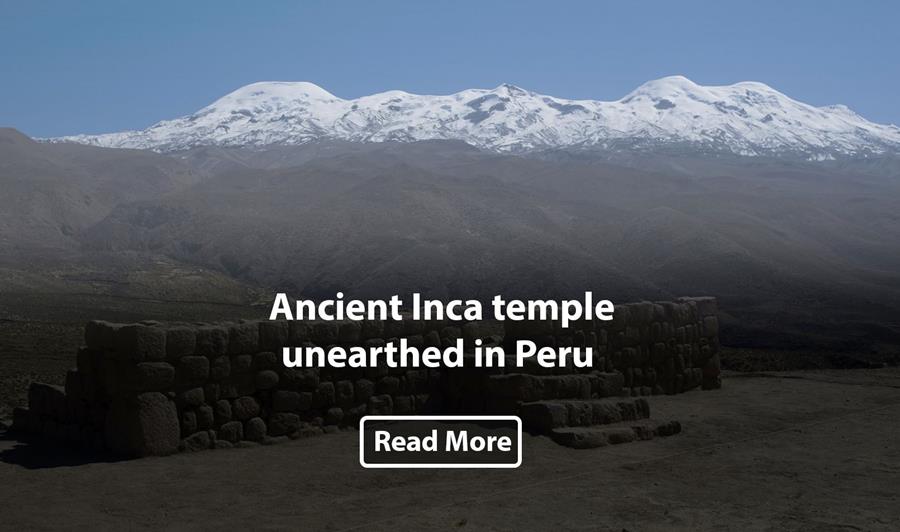
Archaeologists found the vestiges of the largest Inca temple devoted to the worship of Apu Coropuna —a sacred spirit at much-venerated Coropuna Mountain. 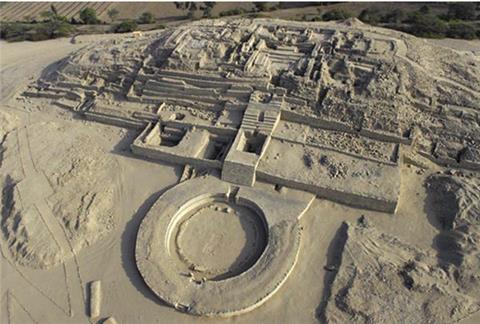
Peru's Culture Minister to attend Ancient Civilizations Forum in New York
Tourism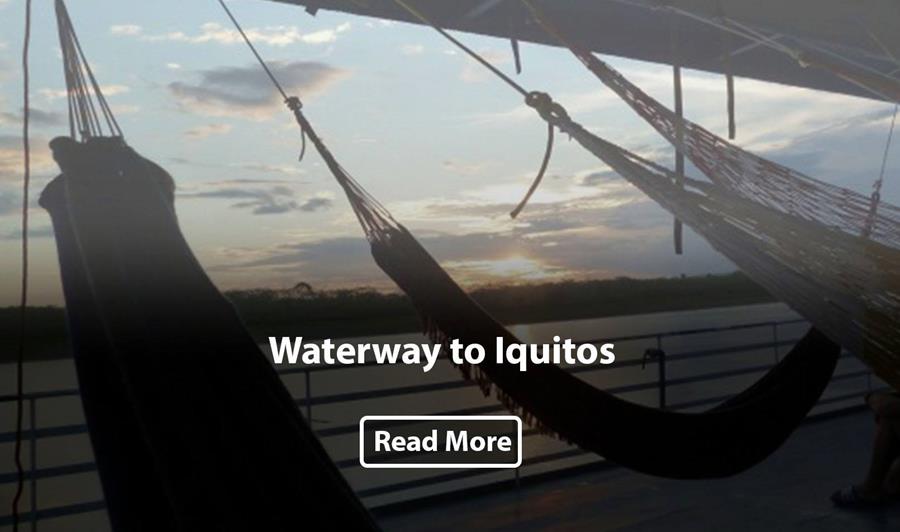
If time is on your side, there is no more enriching way to experience the journey to Iquitos than going by the northern Peruvian jungle’s natural highways: the Huallaga and Marañon Rivers. Literature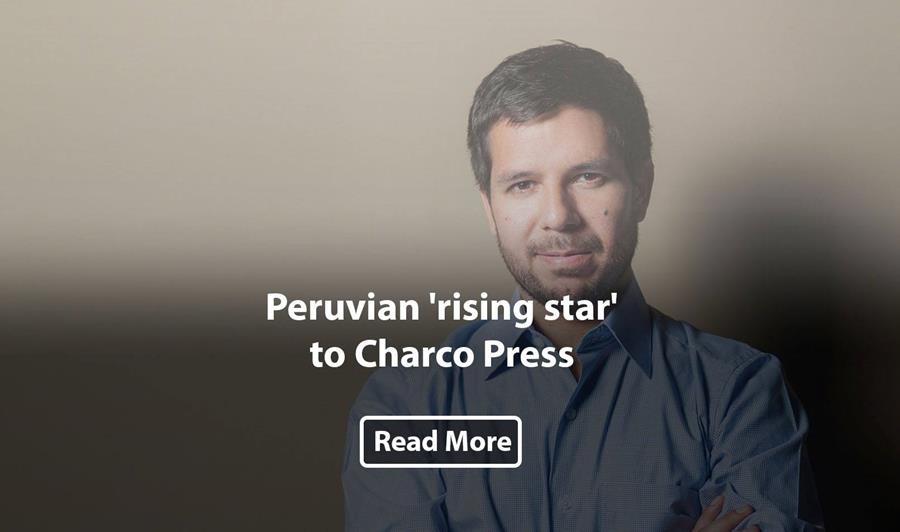
Edinburgh-based publishing house Charco Press has snapped up World English rights to Peruvian author Renato Cisneros’ "breakthrough" novel La Distancia Que Nos Separa (The Distance That Separates Us). Top 10 News
In case you missed, watch our yesterday's headlines in video.
Embassy of Peru
You are receiving this newsletter because you, or someone using this email address, subscribed to the Top 10 News Peru Update. Although Top 10 News Peru may include links providing direct access to other Internet resources, including Web sites, the Embassy of Peru is not responsible for the accuracy or content of information contained in these sites. Links from Top 10 News Peru to third-party sites do not constitute an endorsement by the Embassy of Peru of the parties or their products and services. The Embassy of Peru does not endorse either the content or the information contained in the selected stories. Furthermore, the stories have been selected based on their circulation in the Web, as trending topics.
Copyright © Ministry of Foreign Affairs of Peru. All Rights Reserved. |


Vargas Llosa speaks about the role of the writer in Washington DC

Ambassador of Peru, Carlos Pareja (right), offered a reception at the Embassy of Peru honoring the two writers, Mario Vargas Llosa (center), and Claudio Magris (left), among other invitees, before their presentation at the Georgetown University.
Mario Vargas Llosa, 2010 Nobel Laureate in Literature, Claudio Magris, author of Danube, and Charlie Rose, famous journalist and television host, held a dialogue about “The Role of the Writer”, event organized by the Georgetown University Italian Research Institute, in collaboration with the Embassy of Italy, the Italian Cultural Institute, and the Georgetown University Italian Department.
“I fully discovered Latin American literature while I was living in Paris as a young writer, during the sixties”, said Vargas Llosa. “At that time, the Latin American Boom was born”, he remembers. In fact, the literary movement most closely associated with Julio Cortázar of Argentina, Carlos Fuentes of Mexico, Gabriel García Márquez of Colombia and Vargas Llosa, challenged the established conventions of Latin American literature. Their work is experimental and, owing to the political climate of the Latin America of the 1960s, also very political.
Mario Vargas Llosa was born in Arequipa, and spent parts of his youth in Cochabamba (Bolivia), Piura in northern Peru and Lima. He made his debut as a novelist with The Time of the Hero (1962), set in Leoncio Prado military Academy, where he had been a student. The book received an immediate international recognition.
His many other works include the novels Conversation in The Cathedral, The Green House, The Real Life of Alejandro Mayta, Who Killed Palomino Molero?, The Storyteller, Aunt Julia and the Scriptwriter, The Feast of the Goat, The Bad Girl, The Dream of the Celt, The Discreet Hero and the theatre plays La Chunga, Kathie and the Hippopotamus,The Young Lady from Tacna, among others.
“A good writer has no nationality,” said Claudio Magris. “Is a citizen of the world, a witness of his time”.
Magris was born in Trieste in 1939. In 1986, he published his first novel, Danube, which was translated in 24 languages. He is the author of numerous novels and essays, translated into many languages as well as a columnist for the Corriere della Sera and other European newspapers.
His numerous publications include: Lontano da dove, Joseph Roth e la tradizione ebraico-orientale, L'anello di Clarisse, Illazioni su una sciabola, Inferences from a Sabre, A different sea, Blindly, Three Plays, La storia non è finita. Etica, politica, laicità, Blameless, Istantanee, and others.
The dialogue between these two great writers, Mario Vargas Llosa, and Claudio Magris, led by PBS-TV anchor Charlie Rose, was attended by more than seven hundred people at the main auditorium of the Georgetown University.
Hours earlier, the Ambassador of Peru, Carlos Pareja, offered a reception at the Embassy of Peru to the two writers, Mario Vargas Llosa, and Claudio Magris, among other invitees.
