|
Friday, September 21, 2017 No Images? Click here  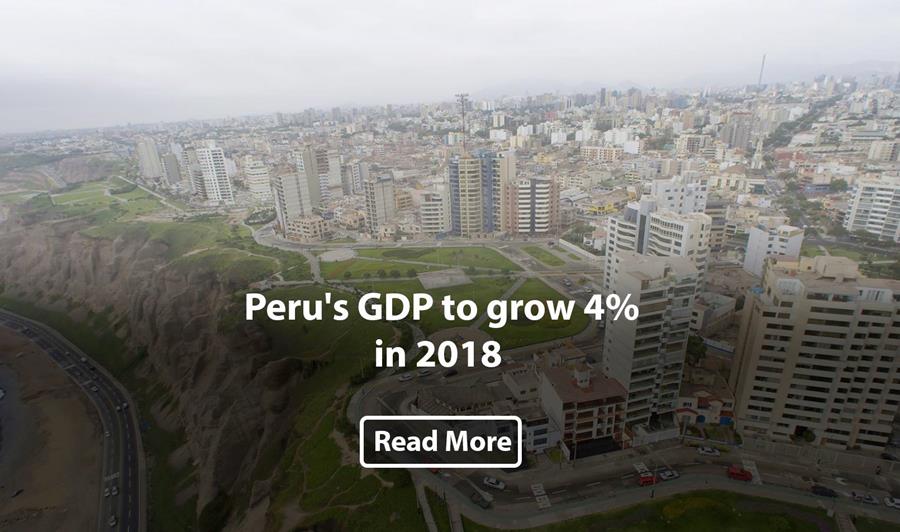
Peru's Gross Domestic Product will expand 4% in 2018 supported by greater infrastructure works, Economy and Finance Minister Claudia Cooper forecast Wednesday. Economy & Trade
Peru can secure competitive financing thanks to sound fiscal position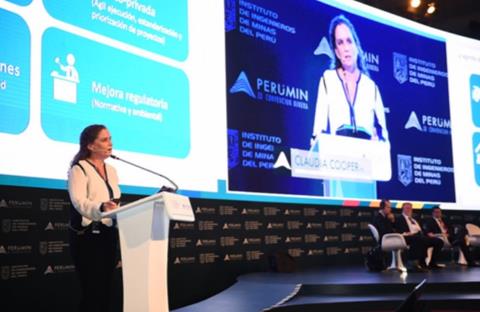
Peru finance minister says plans to make $9 bln in projects viableMining & Energy
Canadian firms together invested US$9.3 billion in exploitation and exploration across large and medium-sized mining operations in Peru, Canadian Ambassador to Lima Gwyneth Kutz said. 
Fin Min: 'Peru is surfing the mining wave'
Peruvian Villagers Shut Down 50 Oil Wells In ProtestDisaster Prevention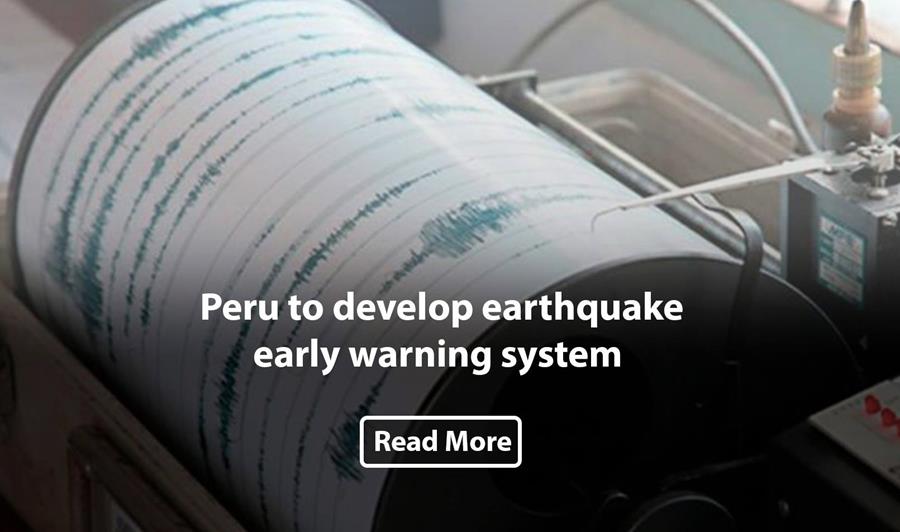
Defense Minister Jorge Nieto said his sector is targeting efforts towards implementing an earthquake early warning system in Peru as soon as possible. 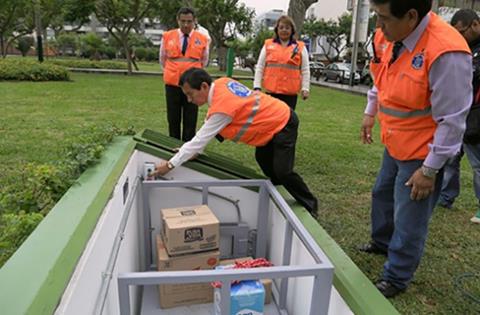
Miraflores Equipped With 14 Underground Storage Facilities in case of Earthquake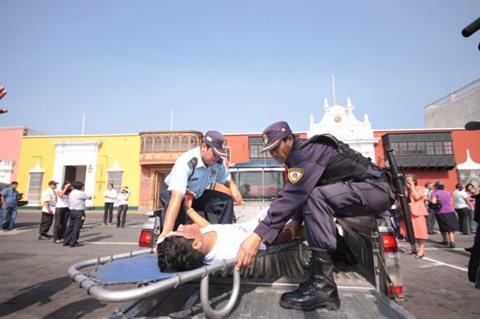
How Prepared Are You for A Natural Disaster If It Hit Peru?Politics
[Op-Ed] Constitutional Question
[Analysis] Peru loses its prime minister. What next?Diplomacy
Peruvian President Pedro Pablo Kuczynski arrived in Rome on Wednesday ahead of his Friday meeting with Pope Francis at the Holy See. 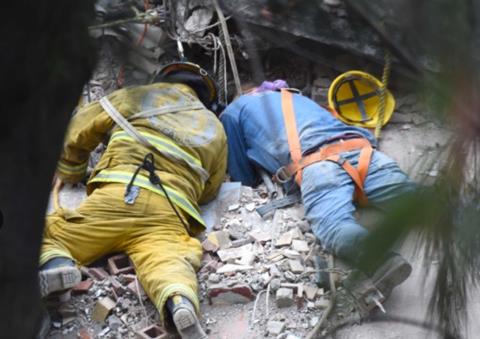
Mexico Ambassador thanks Peru's solidarity after earthquake
Archaeology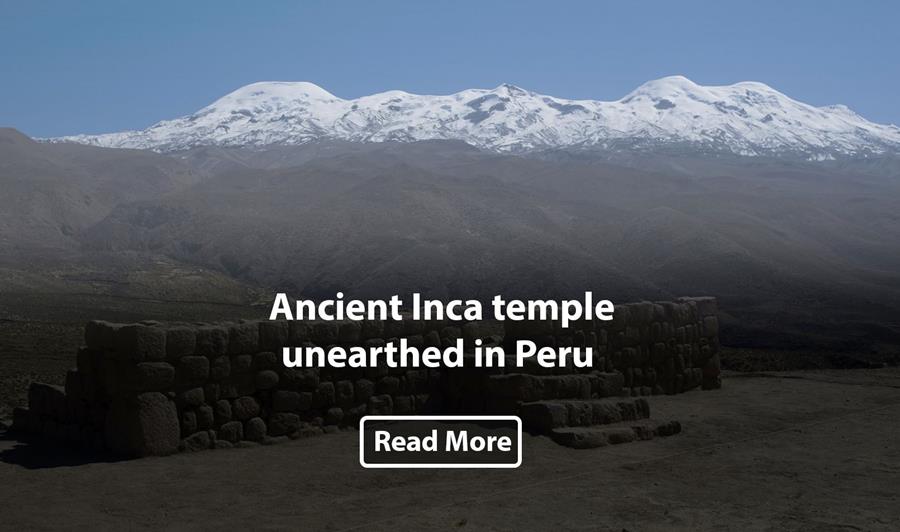
Archaeologists found the vestiges of the largest Inca temple devoted to the worship of Apu Coropuna —a sacred spirit at much-venerated Coropuna Mountain. 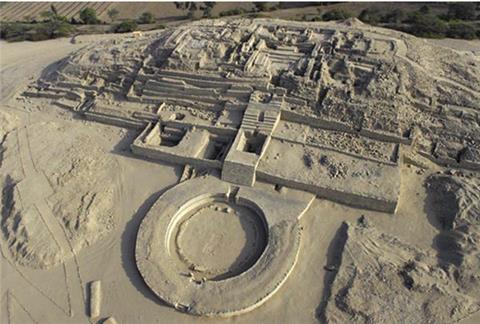
Peru's Culture Minister to attend Ancient Civilizations Forum in New York
Tourism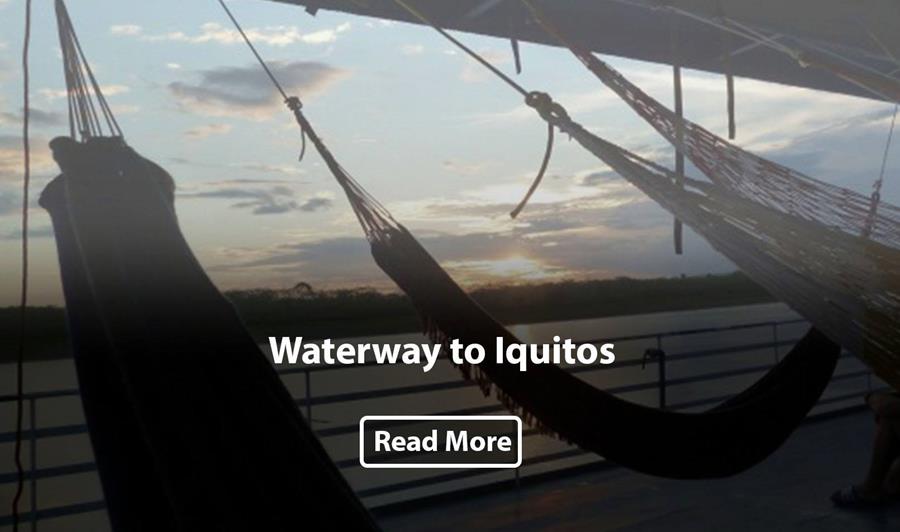
If time is on your side, there is no more enriching way to experience the journey to Iquitos than going by the northern Peruvian jungle’s natural highways: the Huallaga and Marañon Rivers. Literature
Edinburgh-based publishing house Charco Press has snapped up World English rights to Peruvian author Renato Cisneros’ "breakthrough" novel La Distancia Que Nos Separa (The Distance That Separates Us). Top 10 News
In case you missed, watch our yesterday's headlines in video.
Embassy of Peru
You are receiving this newsletter because you, or someone using this email address, subscribed to the Top 10 News Peru Update. Although Top 10 News Peru may include links providing direct access to other Internet resources, including Web sites, the Embassy of Peru is not responsible for the accuracy or content of information contained in these sites. Links from Top 10 News Peru to third-party sites do not constitute an endorsement by the Embassy of Peru of the parties or their products and services. The Embassy of Peru does not endorse either the content or the information contained in the selected stories. Furthermore, the stories have been selected based on their circulation in the Web, as trending topics.
Copyright © Ministry of Foreign Affairs of Peru. All Rights Reserved. |


Machu Picchu - Street View - Google Maps

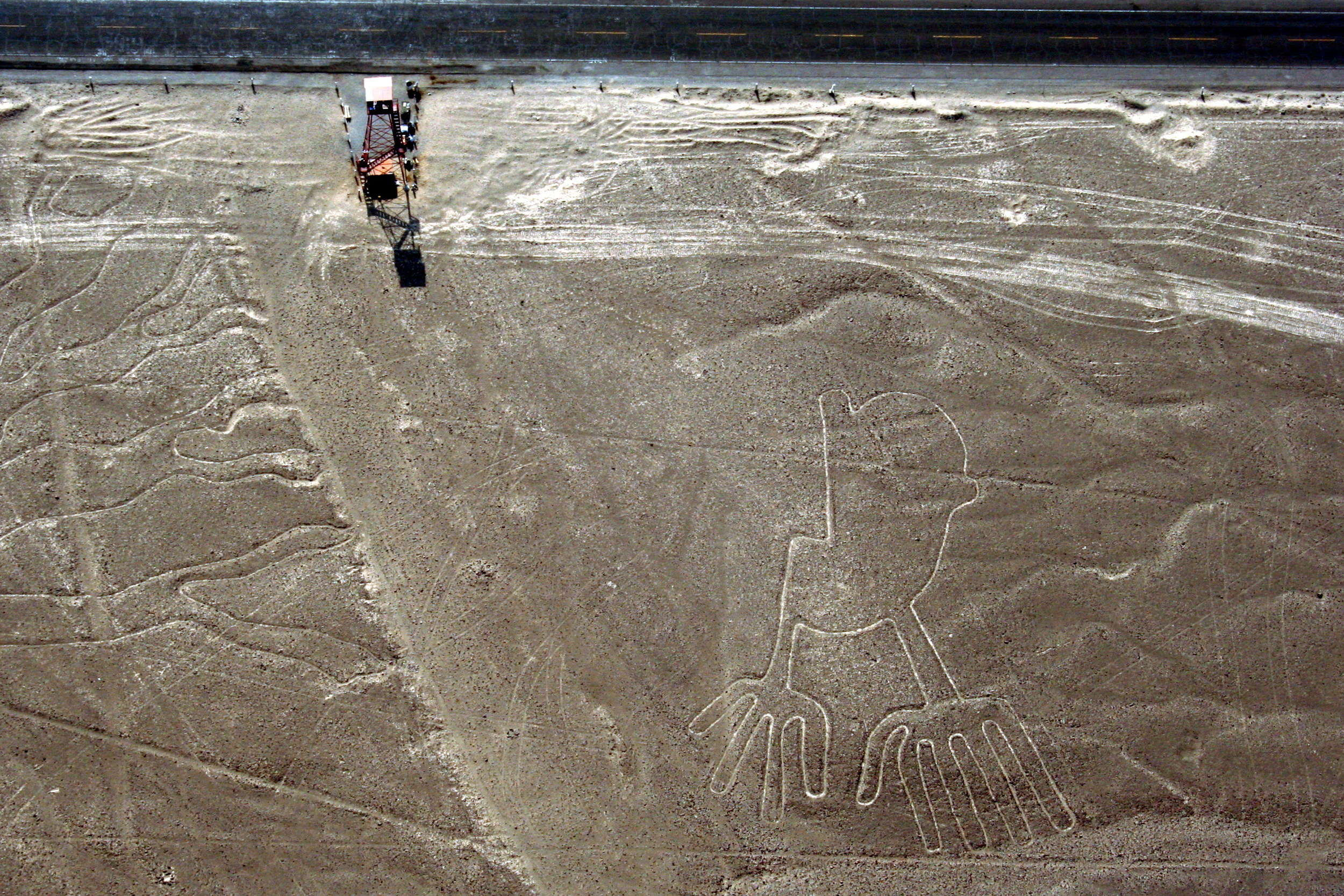
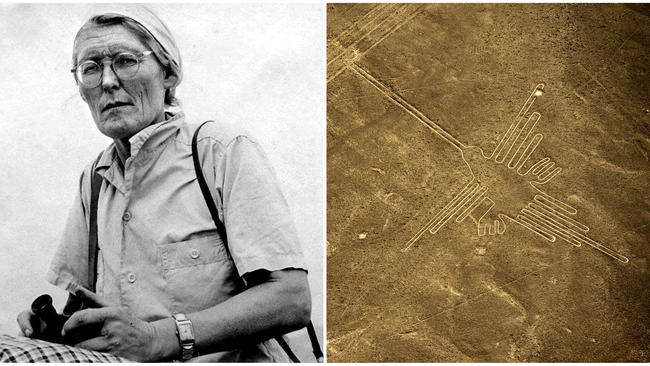
The Nazca Lines of Peru: An ancient riddle etched in the earth makes for a perfect family adventure - LA Times
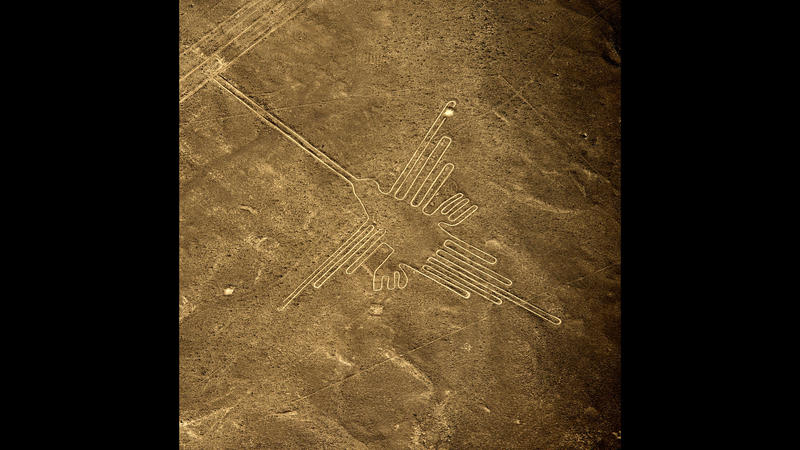
Maria Reiche devoted her life to Peru's Nazca Lines - LA Times
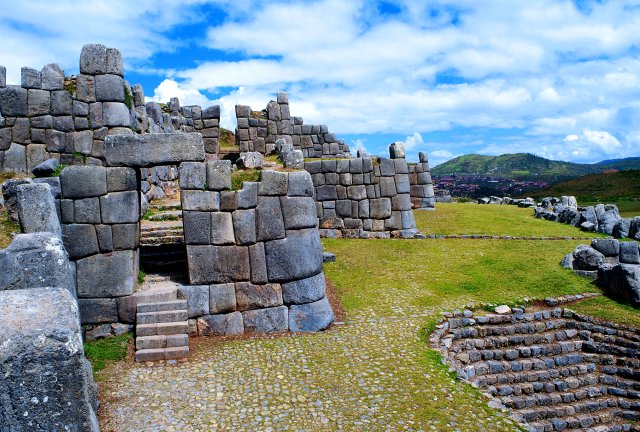
Cusco archaeological sites to be exempt from new management decree - Peru this Week
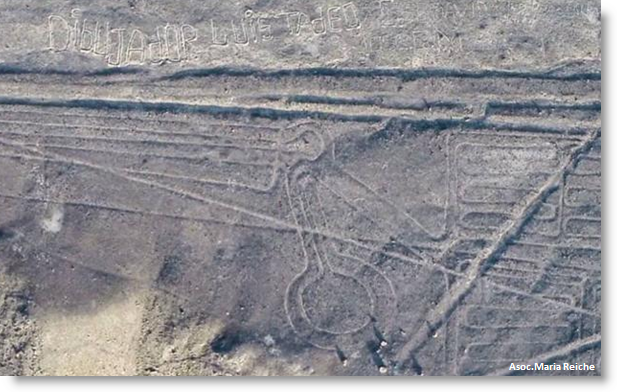
Nazca Lines Get A Boost Against Threats | News from Peru - Peruvian Times
"Approximately 90 per cent of Chachapoyan archaeology is undiscovered", says historian - Peru this Week
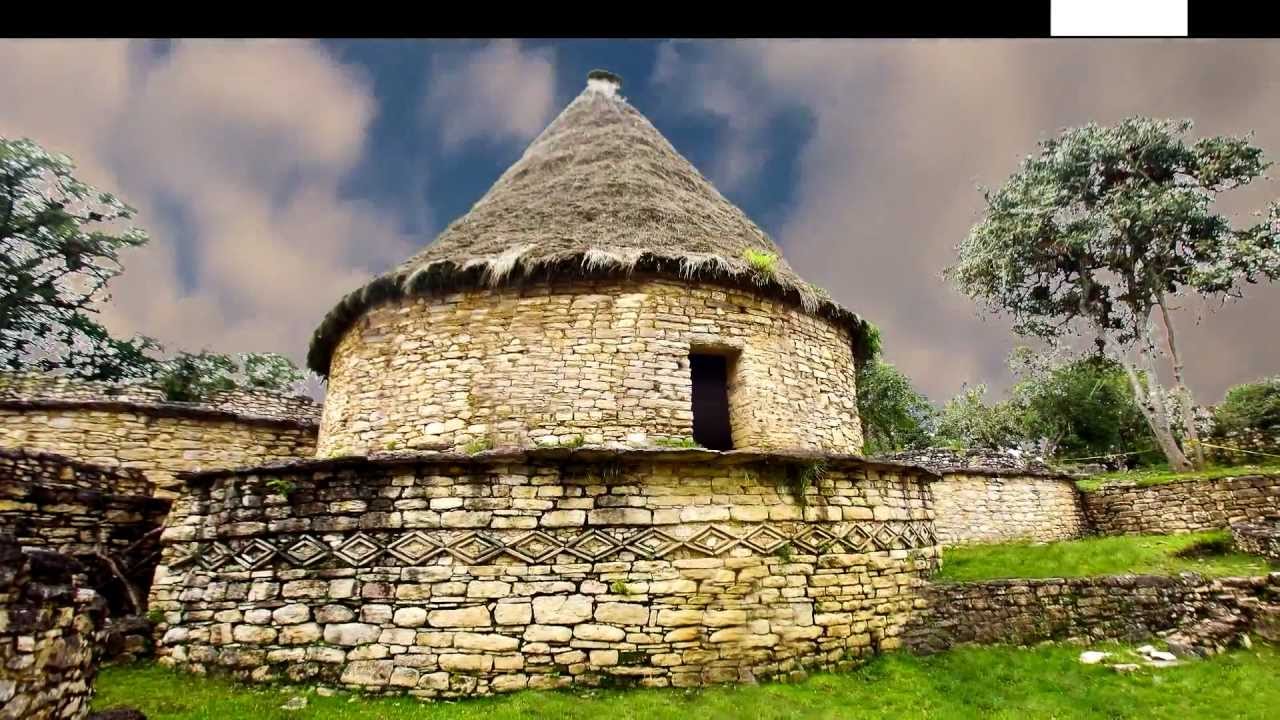
Mummy's been the word for 500 years: Peru's Kuelap is 'Machu Picchu of the north' | ABC Radio Australia
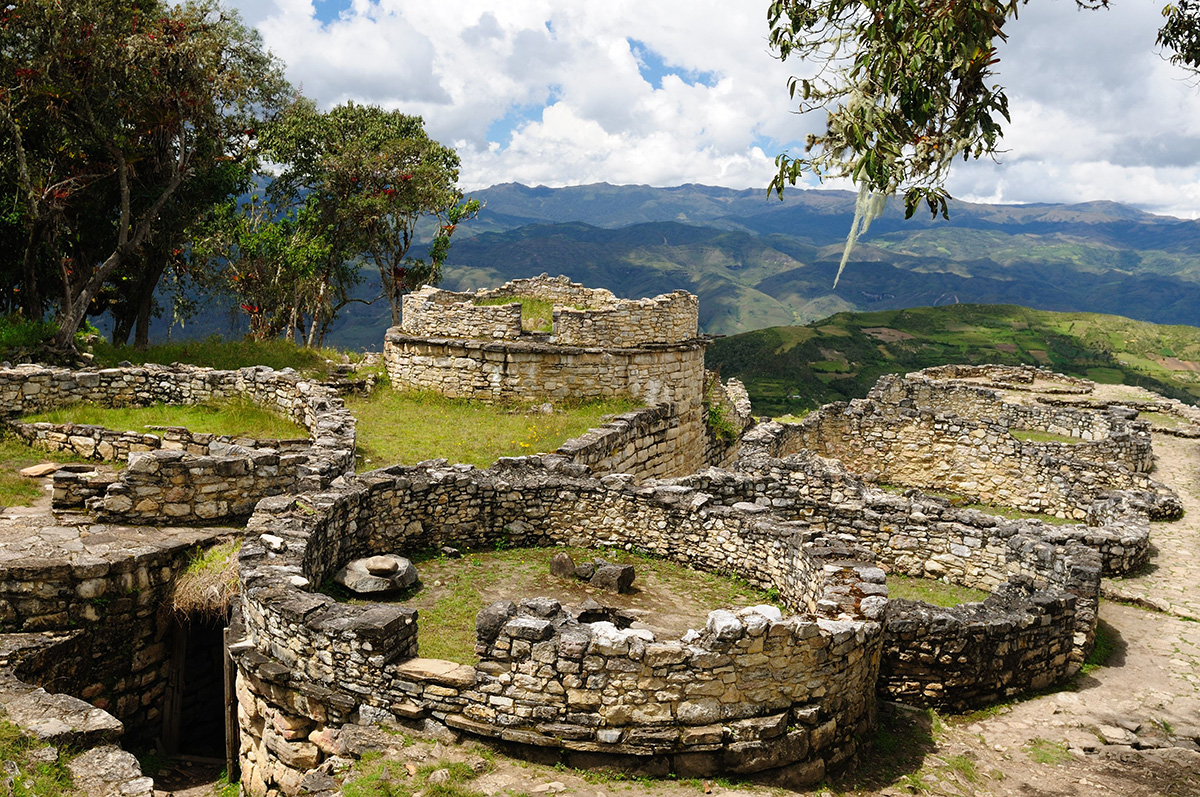
Archaeologists discover 2,700-year-old tomb in Cajamarca - Peru this Week
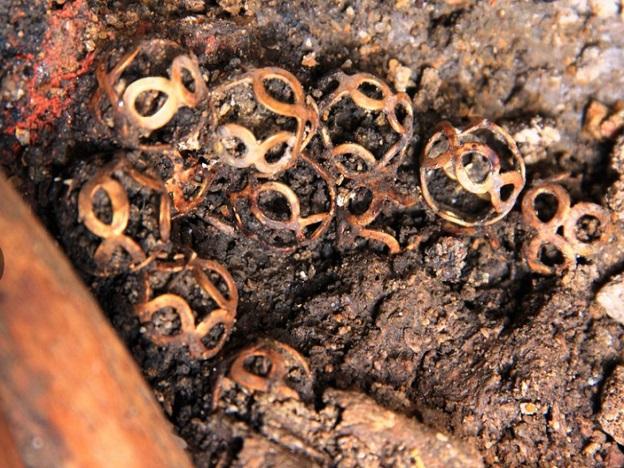
CT scans of Egyptian, Peruvian mummies offer new look at old worlds | The Japan Times
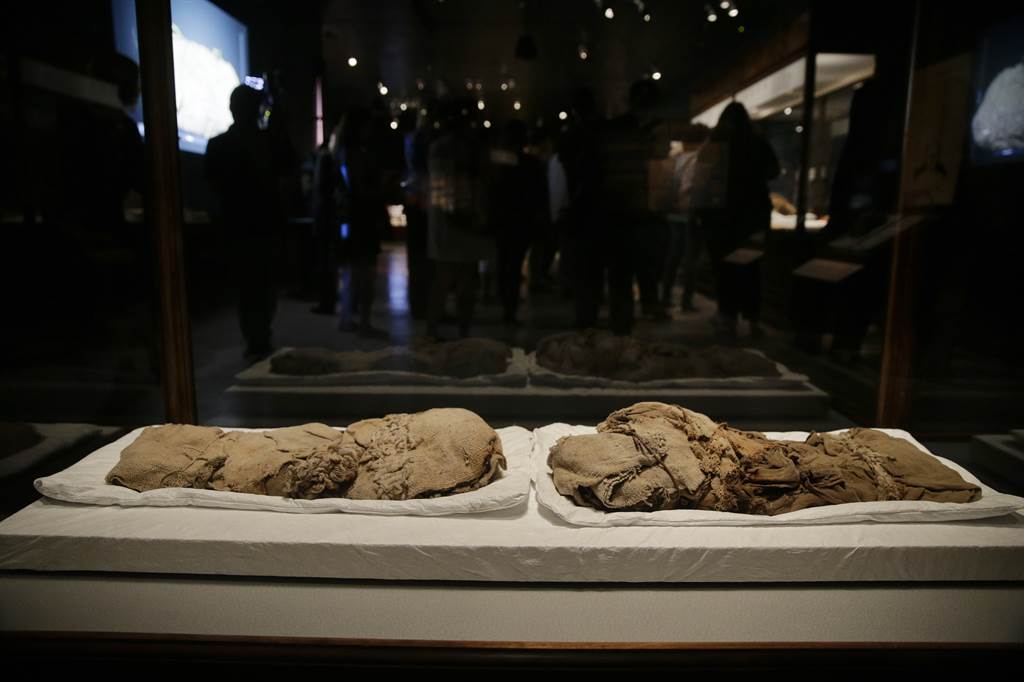
Peru: Cusco's archeological sites to be protected from El Niño
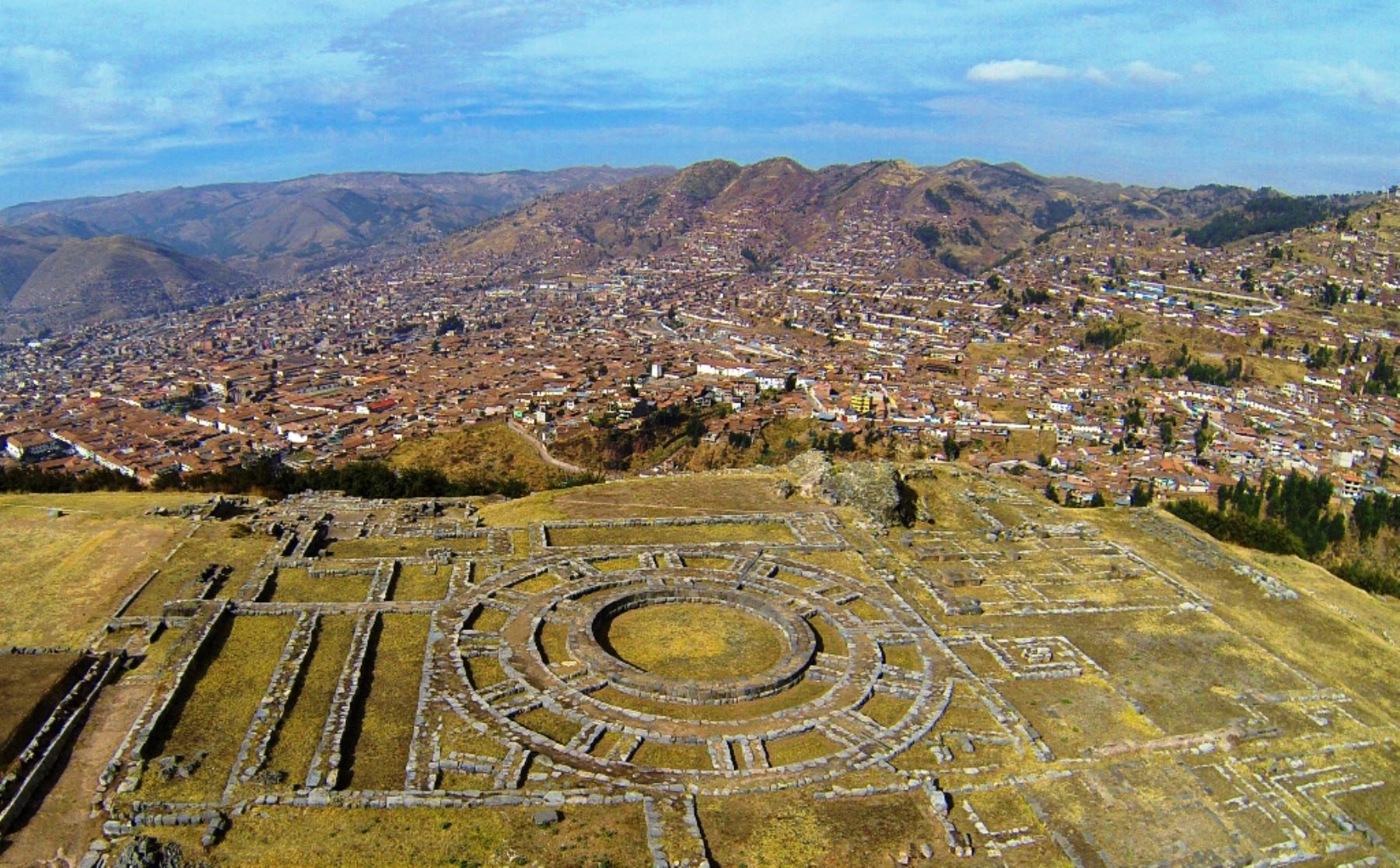
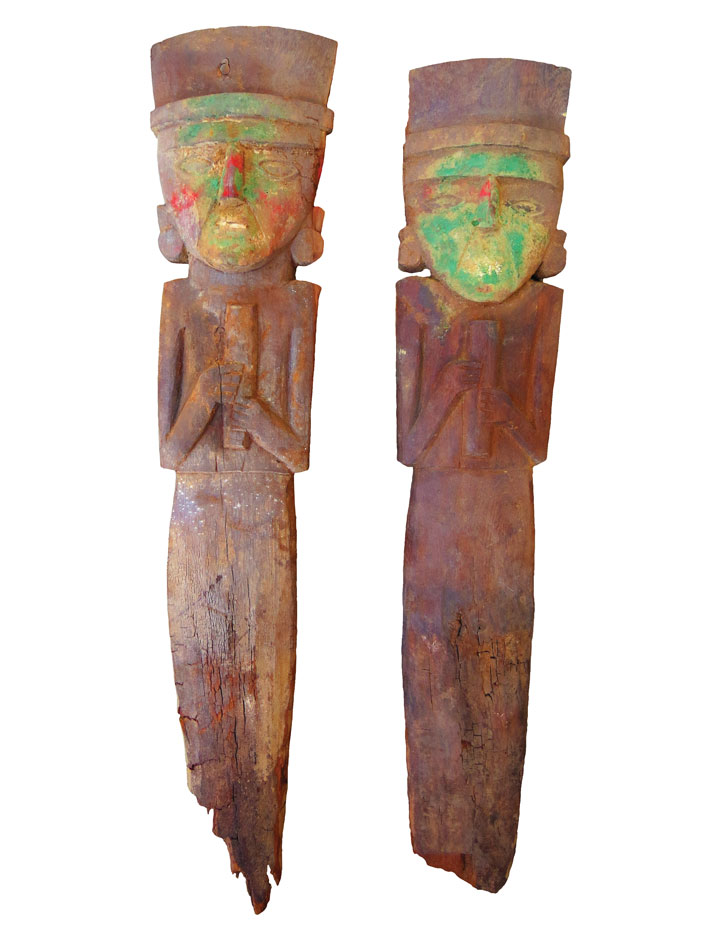
Artifact - Archaeology Magazine
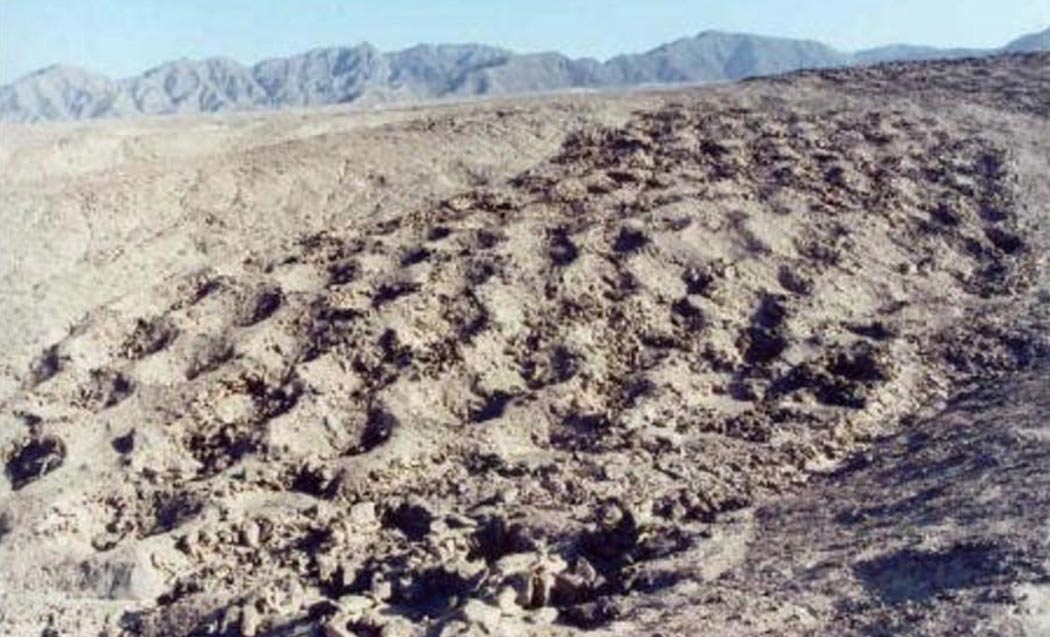
The Mysterious Holes of Peru: A Pre-Columbian Domestic Water Source for Trans-Oceanic Travelers? Part I | Ancient Origins
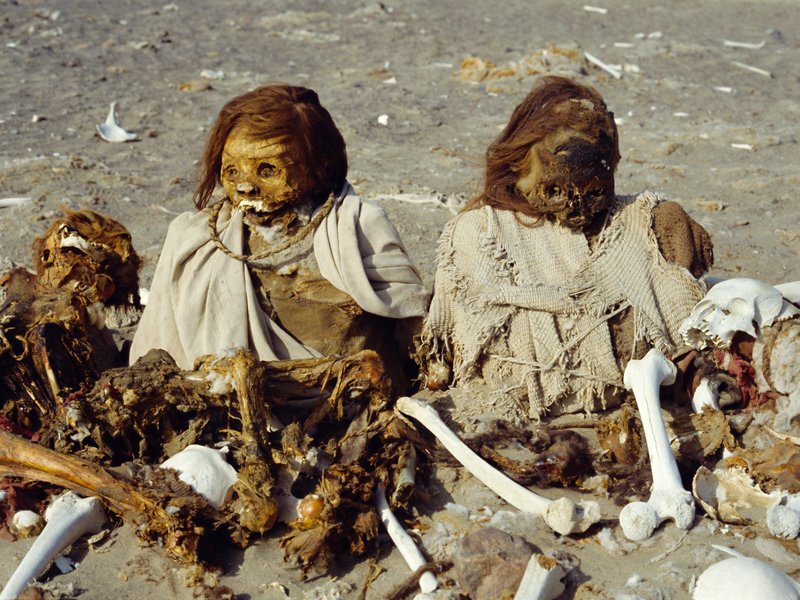
The Fascinating Afterlife of Peru's Mummies | Travel | Smithsonian
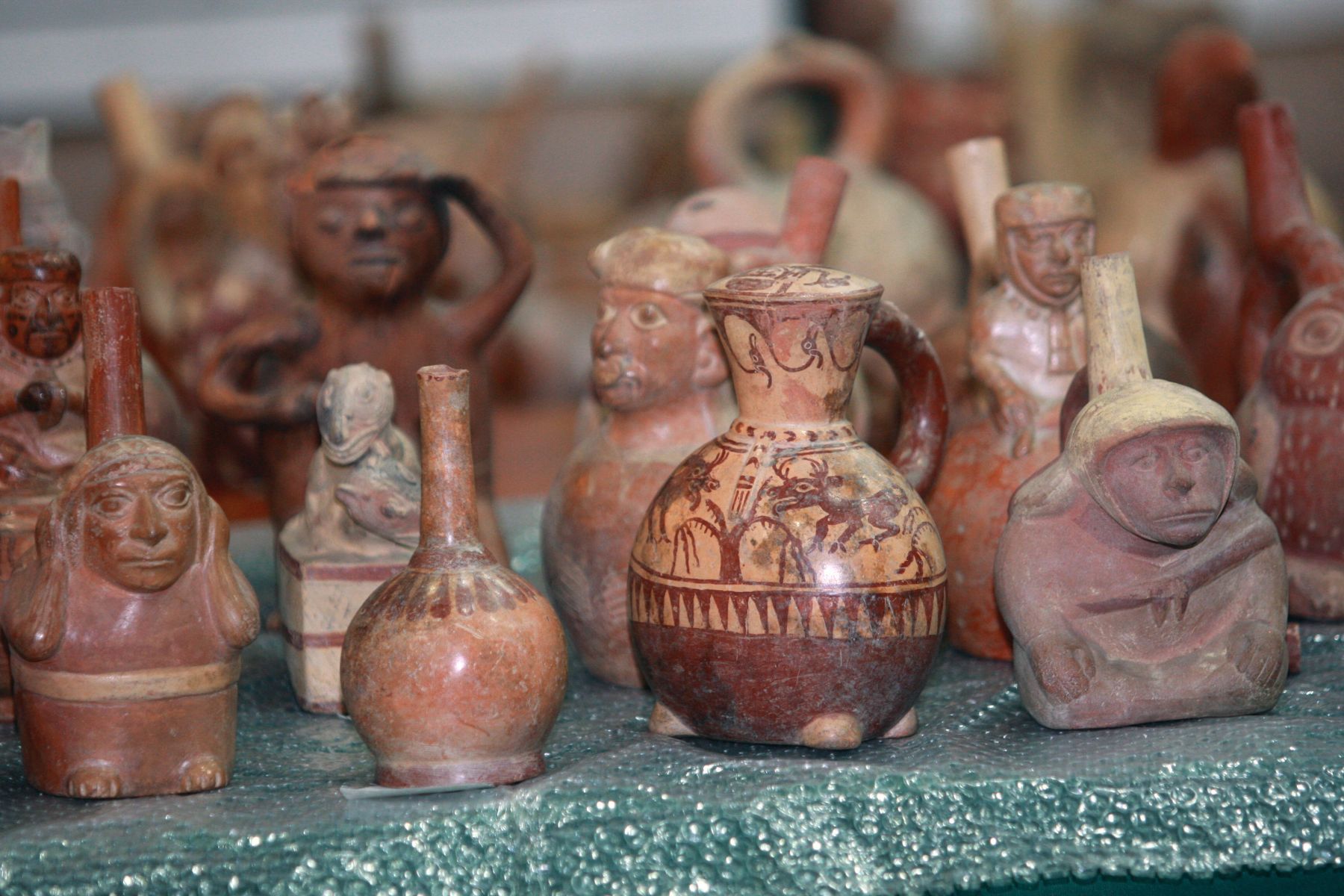
Argentina returns thousands of archaeological pieces to Peru
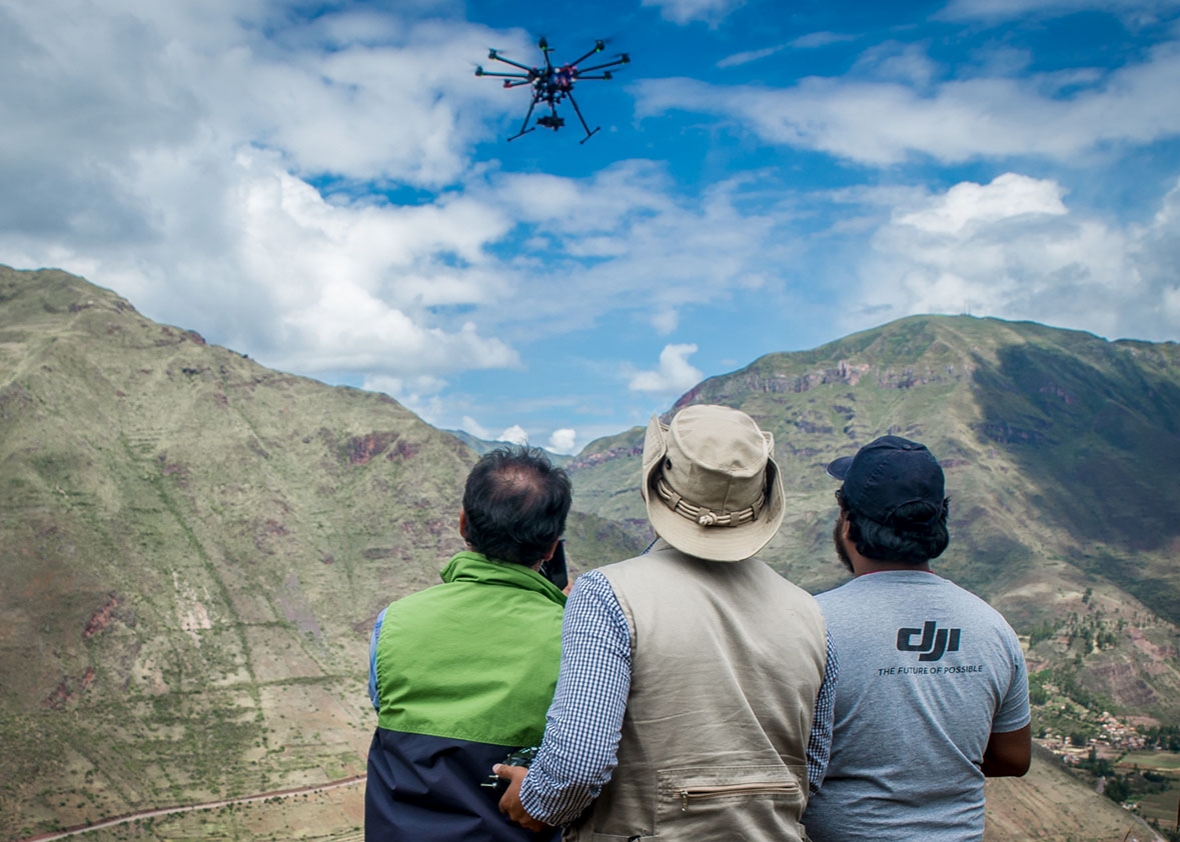
How Peru is using drones to protect Machu Picchu and other archaeological sites.
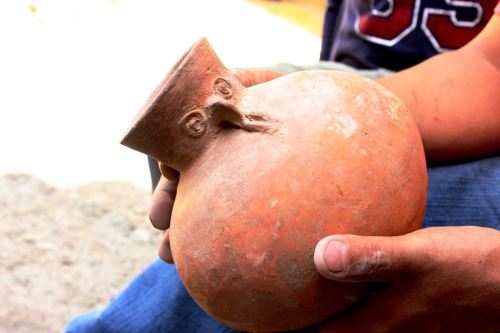
Peru: Archaeological sites in Cajamarca region identified
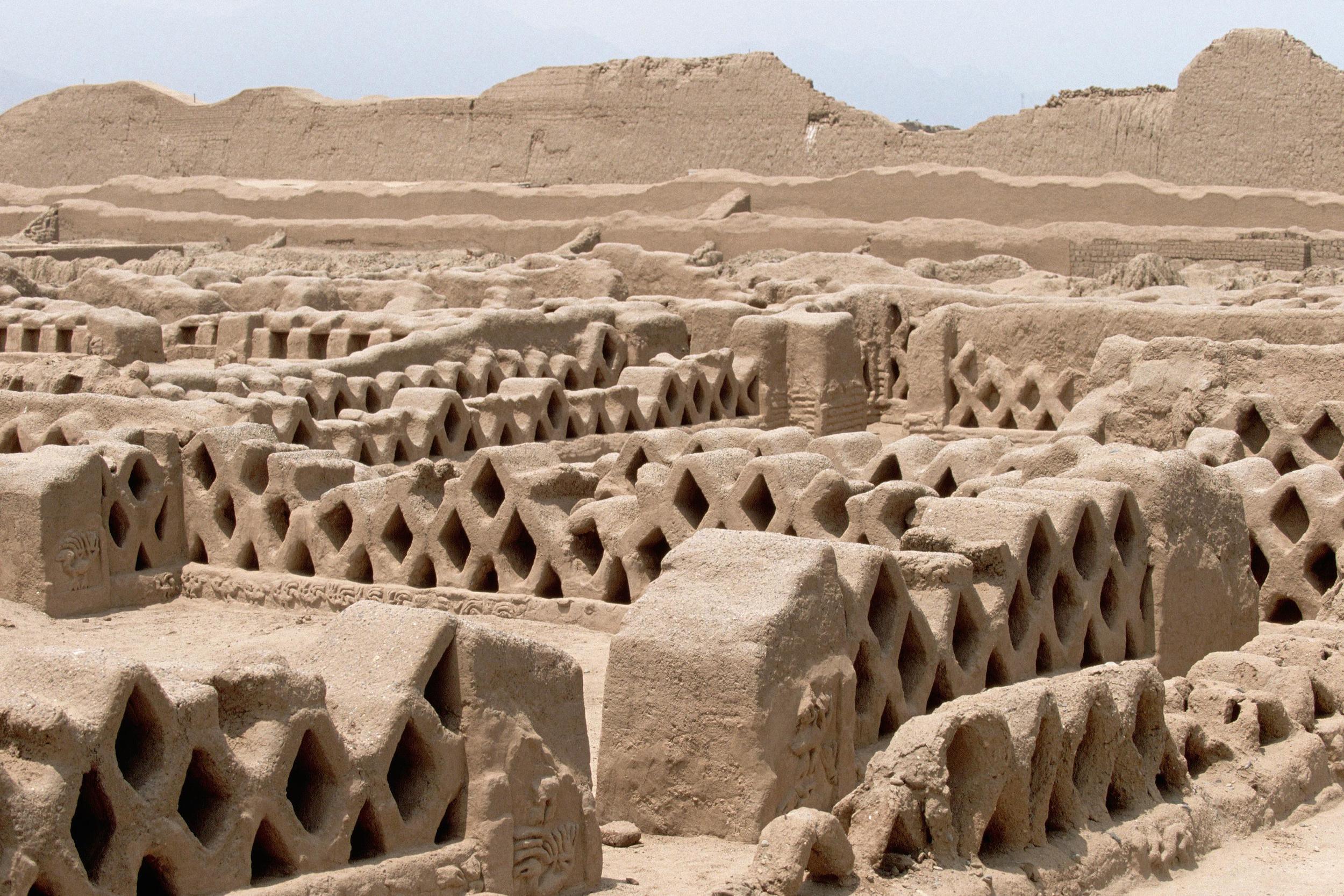
What Endures From the Ancient Civilizations That Once Ruled the Central Andes? | Travel | Smithsonian
The Inca highway network—the two main arteries and the mass of secondary courses that joined them—was arguably the biggest, most complex construction project ever undertaken. Running for 3,700 miles between Chile and Ecuador, about the distance from New York to Paris, the backbone of the system cut through every imaginable landscape, from icy mountain peaks to tropical lowlands, from the world’s driest desert to one of its wettest forests. It astounded the Spaniards who saw it—the conquistador Pedro de Cieza de León said that the road through the Andes should be more famous than Hannibal’s route through the Alps. “In the memory of people I doubt there is record of another highway comparable to this,” he wrote in the 1540s. It was called the Qhapaq Ñan—which translates from the Quechua as “Road of the Lord.”
Discovery of metal vessels "will change the story about Chachapoyas"
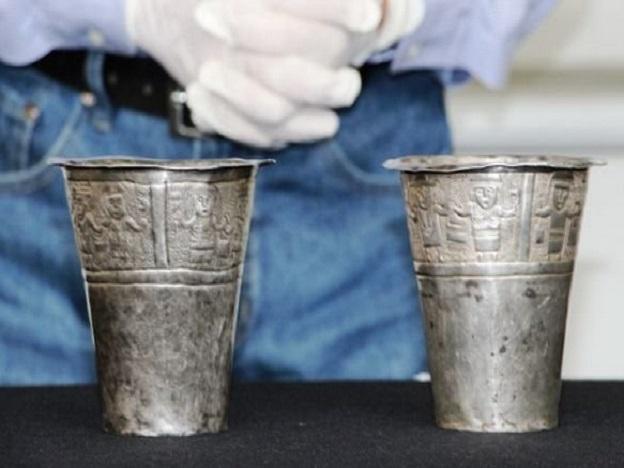
Metals had never been found in Chachapoyas before the finding of these two vessels.